

Blog / Tips

Blog

All Tips Information News Innovation New Vehicles Ford Ford Performance F-150 Service Technology Bronco Awards Mustang Ford EVs F-150 Lightning Features Maverick Ranger Escape History Safety Electric Vehicles Comparisons Expedition Mustang Mach-E Racing Mach-E Raptor Super Duty Deals Explorer Lifestyle Transit Events F-Series Specs Benna Ford Toy Store F-150 Raptor R Mustang GTD Roush Tuscany Used Vehicles BlueCruise Deals Offers and Specials F-150 Tremor FordPass Rewards Formula 1 Mustang GT3 Rousch Shelby Warranties
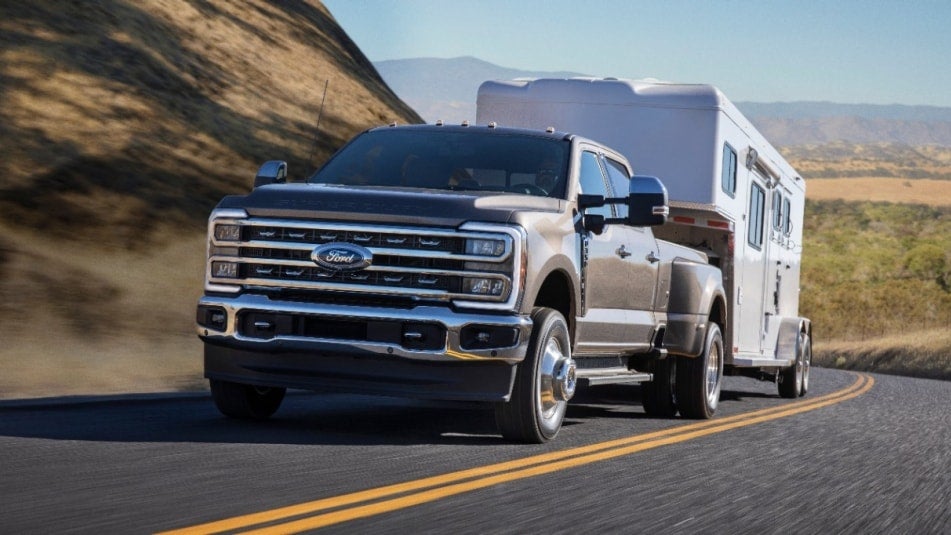
Ford Power Stroke Towing

Keep Your Power Stroke Diesel Running Strong

Ford has been producing Power Stroke diesel engines since 1994. In those 30 years, the engines have been used in various applications, including light trucks, HD trucks, commercial trucks, and agricultural equipment. Over the years, the Ford Power Stroke family of engines has grown to where there are currently five Power Stroke engines available. Ford has a reputation for producing reliable diesel engines that can withstand the rigors of heavy use. Many owners report getting over 200,000 and sometimes over 300,000 miles out of their engines with proper maintenance. But proper maintenance is key. Benna Ford offers these suggestions to keep your Power Stroke diesel working for you for a long time. Three elements in Power Stroke maintenance are keeping to the schedule, using the right parts and fluids, and being aware of whether your vehicle is undergoing “Special Operating Conditions.” The most notable Special Operating conditions include: Frequent or extended idling (over 10 minutes per hour of normal driving) Frequent low-speed operation Sustained traffic speeds of less than 25 MPH. (One hour of idle time is equal to approximately 25 miles of driving.) Sustained vehicle operation in ambient temperatures below -10°F (-23°C) or above 100°F ( 38°C) Operating in severe dust or off-road conditions Towing a trailer over 1,000 miles Sustained, high-speed driving at or near the Gross Vehicle Weight Rating Use of any Biodiesel (B5 is the maximum allowable blend for Power Stroke Diesels, except the all-new 6.7L) After determining which conditions your Power Stroke engine operates within, you can choose the following service schedule below for your regular maintenance. Normal Operating Conditions Ford Recommended Maintenance Levels Power Stroke Engine 6.0-liter 6.4-liter 6.7-liter 6.9-liter & 7.3-liter Change Oil & Oil Filter Every 7,500 miles Every 10,000 miles Change according to message center in instrument cluster Every 5,000 miles Change Fuel Filter Every 15,000 miles Every 20,000 miles Every 3rd Oil change or 22,250 miles, whichever comes first Every 15,000 miles Inspect / Change Air Filter Inspect filter minder every 7,500 miles Change is needed Inspect filter minder every 10,000 miles Change is needed Inspect filter minder every 10,000 miles Change is needed Inspect filter minder every 5,000 miles Change is needed Check / Change Coolant Every six months, with initial change at 100,000 miles Subsequent changes every 45,000 miles Every six months, with initial change at 100,000 miles Subsequent changes every 50,000 miles Initial change at 105,000 miles or 72 months Subsequent changes every 45,000 miles Every 15,000 miles Check Coolant Nitrite Strength Optional check at 15,000 miles or 600 engine hours Optional check at 20,000 miles or 800 engine hours Check at 15,000 miles or 600 engine hours Every 15,000 miles Special Operating Conditions Ford Recommended Maintenance Levels Power Stroke Engine 6.0-liter 6.4-liter 6.7-liter 6.9 & 7.3-liter Change Oil & Oil Filter Every 5,000 miles or 200 engine hours Every 5,000 miles or 200 engine hours Change according to message center in instrument cluster Every 3,000 miles or three months Change Fuel Filter Every 10,000 miles or 400 engine hours (every other oil & oil filter change) Every 10,000 miles or 400 engine hours (every other oil & oil filter change) Every 5,000 miles Replace as needed Every 15,000 miles Inspect / Change Air Filter Inspect filter minder every 5,000 miles. Change is needed. Inspect filter minder every 5,000 miles. Change is needed. Inspect filter minder every 10,000 miles. Change is needed. Inspect filter minder every 3,000 miles. Change is needed. Check / Change Coolant Check every 15,000 miles or 600 engine hours. Change every 45,000 miles or 1,800 engine hours. Check every 20,000 miles or 800 engine hours. Change every 60,000 miles or 2,400 engine hours. Initial change 60,000 miles or 2,400 engine hours Subsequent changes every 45,000 miles or 1800 hours Change every 15,000 miles Check Coolant Nitrite Strength Optional check at 15,000 miles or 600 engine hours Optional check at 20,000 miles or 800 engine hours Check every 15,000 miles or 600 hours Every 15,000 miles For regular maintenance of your Power Stroke engine, Ford recommends its line of Motorcraft brand filters, oil, coolant, and Cetane and anti-gel fuel additives, all of which are designed and formulated specifically for Ford Power Stroke engines. You can find all these maintenance supplies at Benna Ford’s Service Department. If you have any maintenance questions, don’t hesitate to inquire with the Benna Ford service professionals.

Depositphotos_162363338_XL2_converted

Air Conditioning Operating and Maintenance Tips

Here in Superior, we may not use our air conditioning as much as most of our fellow Americans, but we occasionally have our hot days. One thing about living near the top of the nation is that when we take our summer vacations, simple probability suggests we will head somewhere south. Nothing can ruin a summer trip more than an air conditioning system that is not in top operating shape. Benna Ford offers the following operating and maintenance tips to keep your air conditioning system in top shape. Open Your Windows First If the car has been baking in the sun, don’t depend on the AC to cool the cabin rapidly. The best course of action is to open your windows once you enter your car. No matter how hot it is outside, your cabin is likely to be hotter, and so are your AC ducts. After starting your car, open the windows and turn your AC on to help push out the hot air. After about a minute of driving, close the windows and adjust the AC controls for your comfort. The car will cool your cabin more quickly. Use the Fresh Air Setting as the Default The recirculate setting is useful when there is smoke, dust, foul outside odors, or very high humidity. The rest of the time, using the fresh air setting is best. The recirculating mode is just as it sounds: It keeps using the same cabin air. Over time, this can make the car stuffy and even make the driver sleepy. It is best to bring in outside air whenever possible. Use the Coldest Setting If your vehicle does not have automatic climate control, choosing the lowest temperature is actually the most efficient and effective. Most cooling systems can only bring the cabin down by 30 degrees and stop. At that point, a middling setting might activate the heater, which stresses both systems. Set it to the coolest setting and then regulate your comfort by turning the fan down or directing the vents away from you. Monitor Engine Temperature when the Engine is Experiencing High Load If your vacation includes a trip to the mountains, be aware of the stress that your engine may be undertaking during a long incline with the AC on, a car full of family and their stuff, or possibly even towing. If the temperature starts rising, shutting off the AC is the first measure. It may be uncomfortable for a few minutes, but turning on the heat at full blast also helps cool the engine. If the temperature climbs too high, simply find a place for the car to stop and cool down. Then, proceed without the AC until the grade lessons. Read the Air Condition Section of the Owner’s Manual Yes, that thick little book stored in your glove box is meant to be read. It can provide valuable tips that apply to your model’s specific system. It will tell you how and when to change your cabin filter. It may have advice on routine AC maintenance, including how often to check refrigerant pressure. It is a good idea to have this done at least once before every summer. Keep AC Induction Vents Clear The vents on your vehicle’s exterior near the windshield base are where your climate system brings in the outside air. These vents can collect leaves, pine needles, and other flora as they are pointed upward. If left long enough, they may plug the water drains in the system, which runs the risk of the organic matter developing mold that can then be drawn through your climate system. Regularly, such as whenever you check your oil, take a moment to clear out any nature that may have found its way on these vents. Be Aware of These Odors Odors can come from the outside or linger after a smoker or pet has been in the car, but there are certain odors you want to watch out for. A musty or mildew odor may be from mold accumulating in your induction vents. Running your heater for a while may help dry out these areas. A distinctly sweet smell could indicate an antifreeze leak. A professional should service this. A gas smell could come from something as simple as an improperly tightened gas cap, or it could be a leak in the system, which should be looked at quickly. When listed out like this, it may seem like a lot, but much of this can simply become routine. If you are having issues outside of what is covered here, inquire with our Benna Ford service professionals on the proper next steps.

Ford Mustang Mach-E Winter Driving

Winter Tires - Do They Make A Difference?

When the season changes and the temperature outside starts to drop, buyers begin to ask how important it is to invest in winter tires. It’s a question nearly as old as the automobile: Do winter tires actually make a difference? The answer is yes. However, many factors go into choosing the right tires for your vehicle driven in winter conditions. Temperature Differences Suppose you live in an area where the weather is generally below 40 degrees Fahrenheit with average or above-average snowfall in the wintertime. In that case, that’s when you know it’s time to buy some winter tires, whereas an all-season tire rated for snow will be better suited for climates where it dips into the freezing territory but hovers above 40 degrees. They can operate well in 20-30 degrees, but winter tires will allow for safer maneuverability and better braking performance even when it's 0 degrees outside. What About AWD Without Winter Tires? If you drive a Ford with all-wheel drive, some people will tell you, “Oh, you have all-wheel drive, you'll be fine.” No, this is a major mistake. Even though you have a vehicle with four wheels actively receiving power at the same time, it does not mean the traction of that vehicle will be any better if you have the wrong tires on your car. If anything, it can make things more difficult. When it loses traction, the car will try to put power to the correct wheel(s). However, all of the wheels are attempting to get traction simultaneously, which has the potential for disaster. A dedicated winter tire can help your car stop up to 30 feet shorter on a snowy road at 30 mph compared to an all-season tire, according to testing from Tire Rack. That distance is probably tripled or quadrupled when compared to a summer tire that isn’t rated for snow. Cold Roads, Worse Performance When the road surface is colder, that’s when summer and all-season tires will perform worse during panic stops and sudden lane changes. All-season tires will be better than summer tires, but if you live in a state where 20 degrees is average, everything but a winter tire will feel like you are driving on hard glass. Which Winter Tire For My Car? Like summer tires, there are different types of winter tires. If you have an SUV, truck, or sedan, you will be looking at a regular studless winter tire. If you live in mountainous areas where roads can stay packed with snow and ice for days or weeks at a time, you may want to look at buying studded tires, as they are going to provide much-needed grip with their small metal spikes/studs that can dig into the surface for improved traction. If you have a Mustang, for instance, you’ll want to check out some high-performance winter tires that will suit the driving characteristics of your performance vehicle. At Benna Ford, we offer our customers some of the best prices and services. With more than 100 new and used vehicles to choose from, our outstanding sales team and finance department will work hard to make sure you drive away happy. And our fantastic service department will take care of your new-to-you vehicle as if it were their own.

Contact Us

Fill out this form below and we'll contact you shortly
*Required Fields