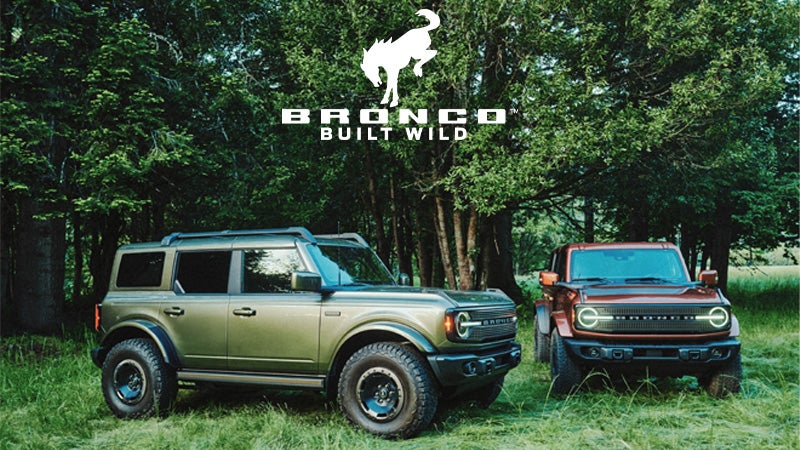
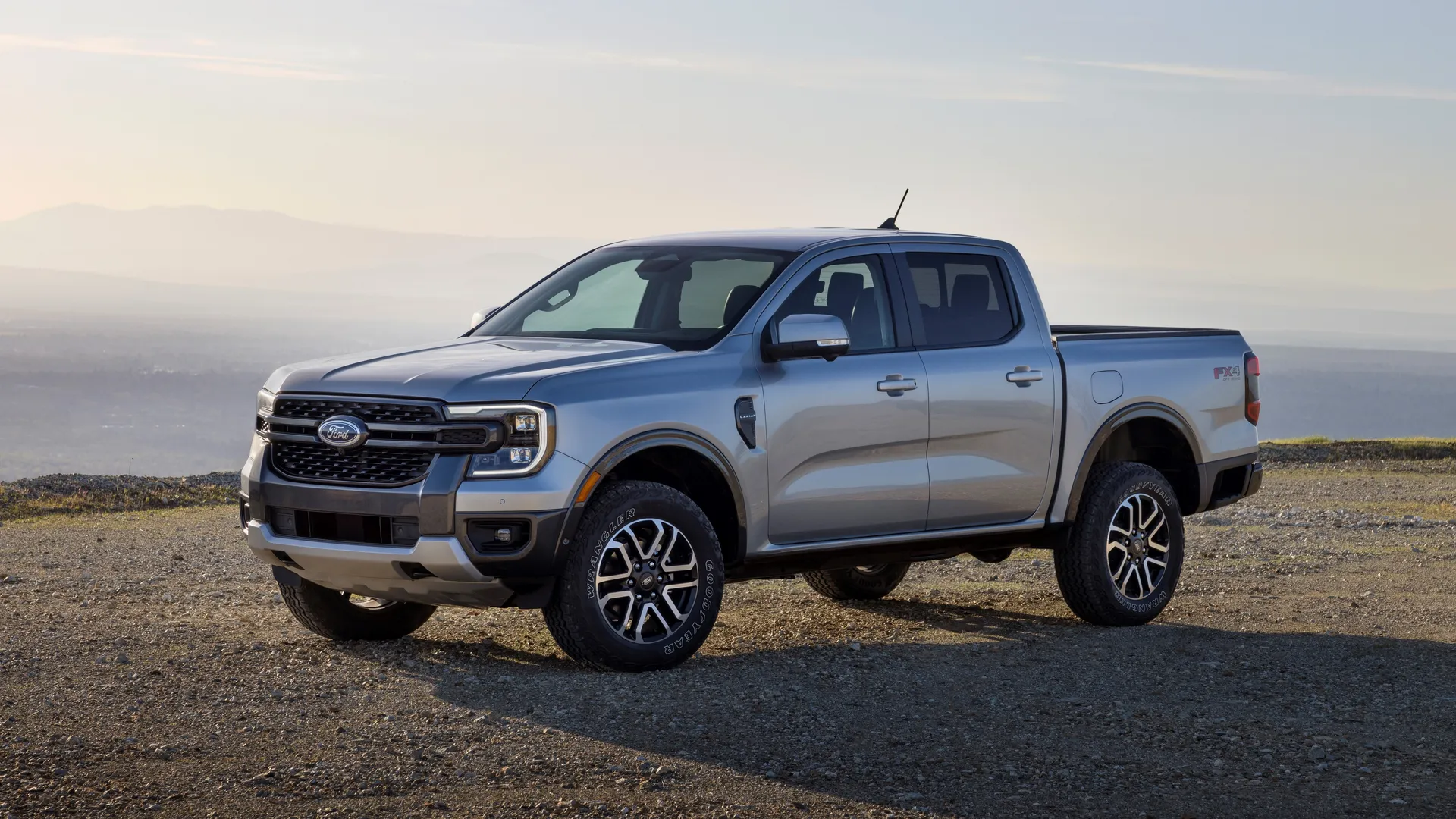
The Ford Bronco and Ford Bronco Sport share the same adventurous spirit, rugged styling, and available off-road technology, but they are designed for different types of drivers. The Bronco is a body-on-frame SUV built for serious off-road capability with available removable doors and roof panels, while the Bronco Sport is a more compact SUV that combines everyday practicality with impressive trail-ready performance. If you're trying to decide which Ford SUV best fits your lifestyle, this comparison will break down the key differences in size, capability, interior space, towing, and technology to help you choose the right Bronco for your next adventure. Bronco vs Bronco Sport: What's the Difference? While the Ford Bronco and Ford Bronco Sport share a legendary nameplate and rugged styling, they were built with different purposes in mind. Both SUVs are designed for adventure, but they offer unique strengths depending on how and where you plan to drive. The Ford Bronco is engineered for drivers who want maximum off-road capability. It features a rugged body-on-frame design, available removable doors and roof panels, advanced 4x4 systems, and purpose-built off-road technology that helps tackle challenging terrain. It is available in both two-door and four-door configurations and is designed to help drivers confidently explore beyond the pavement. The Ford Bronco Sport, on the other hand, is a compact SUV designed to balance everyday practicality with weekend adventure. Its smaller size makes it easier to maneuver in traffic, parking lots, and city environments while still offering available off-road-focused features, standard SUV versatility, and impressive capability for outdoor enthusiasts. In simple terms, the Ford Bronco is ideal for drivers seeking serious off-road performance and customization, while the Ford Bronco Sport is perfect for those who want adventure-ready capability in a more compact and daily-driver-friendly package. No matter which model you choose, both vehicles carry the adventurous spirit that has made the Bronco name legendary. Size Comparison While both SUVs share the Bronco name, the Ford Bronco and Ford Bronco Sport occupy different segments and offer different amounts of passenger and cargo space. Choosing the right model often comes down to how much room you need and where you plan to drive. The Ford Bronco is the larger of the two vehicles. Depending on configuration, the four-door Bronco measures up to 189.4 inches in length and rides on a 116.1-inch wheelbase, giving it a more spacious footprint and a commanding presence on and off the road. The Bronco is available in both two-door and four-door configurations, offering buyers additional flexibility. The Ford Bronco Sport is a compact SUV available exclusively as a four-door model. It measures 172.7 inches long and has a 105.1-inch wheelbase, making it easier to maneuver in tight parking lots, city traffic, and crowded trailheads. Its smaller size can be a significant advantage for drivers who want adventure-ready capability without the larger footprint of a midsize SUV. Cargo space is another important difference. The Bronco Sport offers up to 65.2 cubic feet of cargo capacity with the rear seats folded, making it easy to pack camping gear, sports equipment, or luggage for a weekend getaway. The larger Bronco, particularly in four-door form, provides even more interior volume and cargo flexibility for families and outdoor enthusiasts who regularly travel with passengers and gear. For drivers who prioritize easy maneuverability and everyday practicality, the Bronco Sport's compact dimensions may be the better fit. Those who need additional passenger room, cargo space, and a more substantial off-road platform may prefer the larger Ford Bronco. Off-Road Capability Comparison If off-road performance is a top priority, both the Ford Bronco and Ford Bronco Sport are designed to go beyond the pavement. However, the Ford Bronco is engineered for more extreme adventures, while the Bronco Sport focuses on delivering capable off-road performance in a compact, everyday-friendly package. The Ford Bronco was built from the ground up for serious off-roading. Its body-on-frame construction, available advanced 4x4 systems, and impressive off-road geometry help it tackle challenging terrain with confidence. Depending on the model and equipment, the Bronco offers up to 13.1 inches of ground clearance, up to 47.2 degrees of approach angle, and up to 37 inches of water-fording capability, making it one of the most capable SUVs in the Ford lineup. The Ford Bronco Sport is designed for drivers who want adventure-ready capability without moving into a larger SUV. Every Bronco Sport comes equipped with a 4x4 system, and available G.O.A.T. Modes™ (Goes Over Any Type of Terrain) help optimize performance in varying conditions such as mud, sand, snow, and gravel. The Bronco Sport Badlands® even adds a dedicated Rock Crawl mode for enhanced off-road confidence. For exploring forest roads, reaching remote campsites, or handling challenging weather conditions in northern Minnesota and Wisconsin, the Bronco Sport is more than capable. However, for drivers planning frequent trips to difficult trails, rocky terrain, or serious off-road parks, the Bronco's larger dimensions, greater ground clearance, and specialized off-road hardware give it a significant advantage. Interior and Cargo Space Both the Ford Bronco and Ford Bronco Sport offer practical interiors designed for active lifestyles, but their cabins are tailored to different needs. The Bronco emphasizes passenger room, versatility, and open-air freedom, while the Bronco Sport focuses on everyday comfort, clever storage solutions, and efficient use of space. The Ford Bronco is the larger vehicle and offers more interior space overall, particularly in four-door models. It provides generous seating for passengers and plenty of room for gear, making it a great choice for families, road trips, and outdoor adventures. The available rubberized flooring and washout interior options on select models also make cleanup easier after a day on the trail. The Ford Bronco Sport may be smaller on the outside, but it makes excellent use of its interior space. Behind the rear seats, the Bronco Sport offers up to 32.5 cubic feet of cargo room, expanding to 65.2 cubic feet with the rear seats folded flat. Its tall roofline and versatile cargo area make it easy to load camping gear, coolers, bicycles, or luggage for a weekend getaway. Both SUVs feature modern technology and flexible storage options, but drivers who regularly travel with more passengers or larger equipment may appreciate the Bronco's larger footprint. For those looking for a compact SUV that remains highly practical for daily life and outdoor adventures, the Bronco Sport delivers impressive cargo versatility in a more manageable package. Towing Capacity If towing is an important part of your lifestyle, the Ford Bronco has a clear advantage over the Ford Bronco Sport. While both SUVs can handle small trailers and outdoor gear, the Bronco was designed with greater capability in mind and offers higher towing capacities across most of the lineup. The Ford Bronco can tow up to 4,500 pounds when properly equipped, making it a great choice for hauling small campers, boats, utility trailers, or powersports equipment. Combined with its rugged construction and available 4x4 systems, the Bronco is well-suited for drivers who want to bring their gear along for the adventure. The Ford Bronco Sport offers a maximum towing capacity of up to 2,700 pounds on properly equipped Badlands® models with the available Class II Trailer Tow Package. Other Bronco Sport models can tow up to 2,000 pounds when properly equipped. This is more than enough for many small trailers, lightweight watercraft, and camping gear, but it falls short of the capability offered by the larger Bronco. For drivers who frequently tow heavier loads or plan on bringing larger recreational equipment on weekend trips, the Ford Bronco is likely the better fit. However, if your towing needs are occasional and relatively light, the Bronco Sport provides plenty of capability while maintaining the efficiency and maneuverability of a compact SUV. Fuel Economy When it comes to fuel efficiency, the Ford Bronco Sport has the advantage. Its smaller size, lighter weight, and unibody construction help it achieve better fuel economy than the larger, more off-road-focused Ford Bronco. For drivers who spend most of their time commuting, running errands, or taking weekend road trips, the Bronco Sport's efficiency may be a significant factor in the decision-making process. Most Ford Bronco Sport models equipped with the standard 1.5-liter EcoBoost® engine are rated at up to 25 mpg city, 30 mpg highway, and 27 mpg combined, providing an excellent balance of capability and efficiency. Even the more powerful Badlands® model with the available 2.0-liter EcoBoost® engine offers respectable fuel economy for an adventure-ready SUV. The Ford Bronco prioritizes capability over fuel economy. Available with a choice of EcoBoost® engines, advanced 4x4 systems, and rugged off-road equipment, the Bronco is designed to tackle challenging terrain rather than maximize mpg. Fuel economy varies based on engine choice, body style, and equipment, but drivers can generally expect lower fuel-efficiency ratings than those offered by the Bronco Sport. If your adventures involve daily commuting and frequent highway driving, the Bronco Sport may offer greater long-term fuel savings. However, if your priority is maximizing off-road capability and trail performance, many drivers find the Bronco's rugged capabilities well worth the tradeoff. Which Ford SUV Is Better For Winter? Both the Ford Bronco and Ford Bronco Sport are well-equipped for winter driving, making either SUV a strong choice for drivers throughout the Northland. Whether you're commuting through Duluth, navigating snow-covered back roads around Superior, or heading north for a weekend at the cabin, both vehicles offer the traction and confidence needed to handle challenging winter conditions. The right choice comes down to how and where you drive. The Ford Bronco is built for drivers who regularly encounter deep snow, unplowed roads, and rugged terrain. Its available advanced 4x4 systems, generous ground clearance, and trail-focused engineering give it an advantage when winter weather becomes especially harsh. If your adventures take you off the beaten path for ice fishing, snowmobiling, hunting, or exploring remote areas of northern Minnesota and Wisconsin, the Bronco's capability is hard to beat. The Ford Bronco Sport is ideal for everyday winter driving throughout the Twin Ports and surrounding communities. Every Bronco Sport comes standard with 4x4 capability and features Ford's G.O.A.T. Modes™ (Goes Over Any Type of Terrain), which help optimize traction in snow, ice, and slippery conditions. Its compact size also makes it easier to maneuver through crowded parking lots, residential neighborhoods, and downtown streets after a fresh snowfall. For many Northland drivers, the Bronco Sport provides the perfect combination of capability, efficiency, and practicality for daily commutes and weekend adventures. However, those who frequently travel on unmaintained roads or want maximum confidence during Lake Superior snowstorms may prefer the larger and more rugged Ford Bronco. Quick Winter Driving Comparison: Ford Bronco Available advanced 4x4 systems Higher available ground clearance Excellent for deep snow and remote roads Ideal for outdoor enthusiasts and year-round adventure seekers Ford Bronco Sport Standard 4x4 capability on every model Available G.O.A.T. Modes™ for slippery conditions Easier to maneuver in cities and parking lots Great balance of winter confidence and everyday practicality If your winters involve cabin trips, snow-covered forest roads, and outdoor adventures throughout northern Wisconsin and Minnesota, the Ford Bronco offers the highest level of capability. If you're looking for a versatile SUV that can confidently handle Northland winters while remaining comfortable and efficient for everyday driving, the Ford Bronco Sport is an excellent choice. Either way, both SUVs are designed to help you make the most of every season. Which Ford SUV Is Right For Me? The choice between the Ford Bronco and Ford Bronco Sport ultimately comes down to how you plan to use your SUV. While both vehicles share the Bronco name and an adventurous spirit, they are designed for different lifestyles and driving needs. Choose the Ford Bronco if you want maximum off-road capability, available open-air driving, and the confidence to tackle challenging trails. With its body-on-frame construction, available advanced 4x4 systems, higher ground clearance, and rugged design, the Bronco is ideal for outdoor enthusiasts who spend significant time exploring beyond the pavement. Choose the Ford Bronco Sport if you're looking for a compact SUV that's easy to drive every day while still offering impressive capability for camping trips, hiking adventures, and Northland winters. Its standard 4x4 system, efficient size, versatile cargo area, and strong fuel economy make it an excellent option for drivers who want a balance of practicality and adventure. For many drivers in northern Minnesota and Wisconsin, either SUV will provide the confidence needed to handle snow-covered roads, weekend getaways, and life in the Northland. The best choice simply depends on whether you prioritize everyday convenience or ultimate off-road capability. Choose the Ford Bronco If You: Frequently travel off-road or on challenging trails. Want available removable doors and roof panels. Need greater towing capability. Want the most rugged and capable Bronco experience available. Choose the Ford Bronco Sport If You: Primarily drive on roads and highways. Want a smaller SUV that's easy to park and maneuver. Prioritize fuel efficiency and everyday practicality. Still want the capability to explore trails, campsites, and outdoor destinations. Final Thoughts If your adventures regularly take you deep into the woods, onto rugged trails, or through the toughest winter conditions, the Ford Bronco is likely the better fit. If you're looking for a versatile SUV that balances capability, efficiency, comfort, and practicality for life in the Northland, the Ford Bronco Sport may be the perfect choice. No matter which model you choose, you'll get a capable SUV that's ready to help you explore everything the Northland has to offer, from the shores of Lake Superior to the backroads of northern Minnesota and Wisconsin. Sources: https://www.ford.com/suvs/bronco/ https://www.ford.com/suvs/bronco-sport/

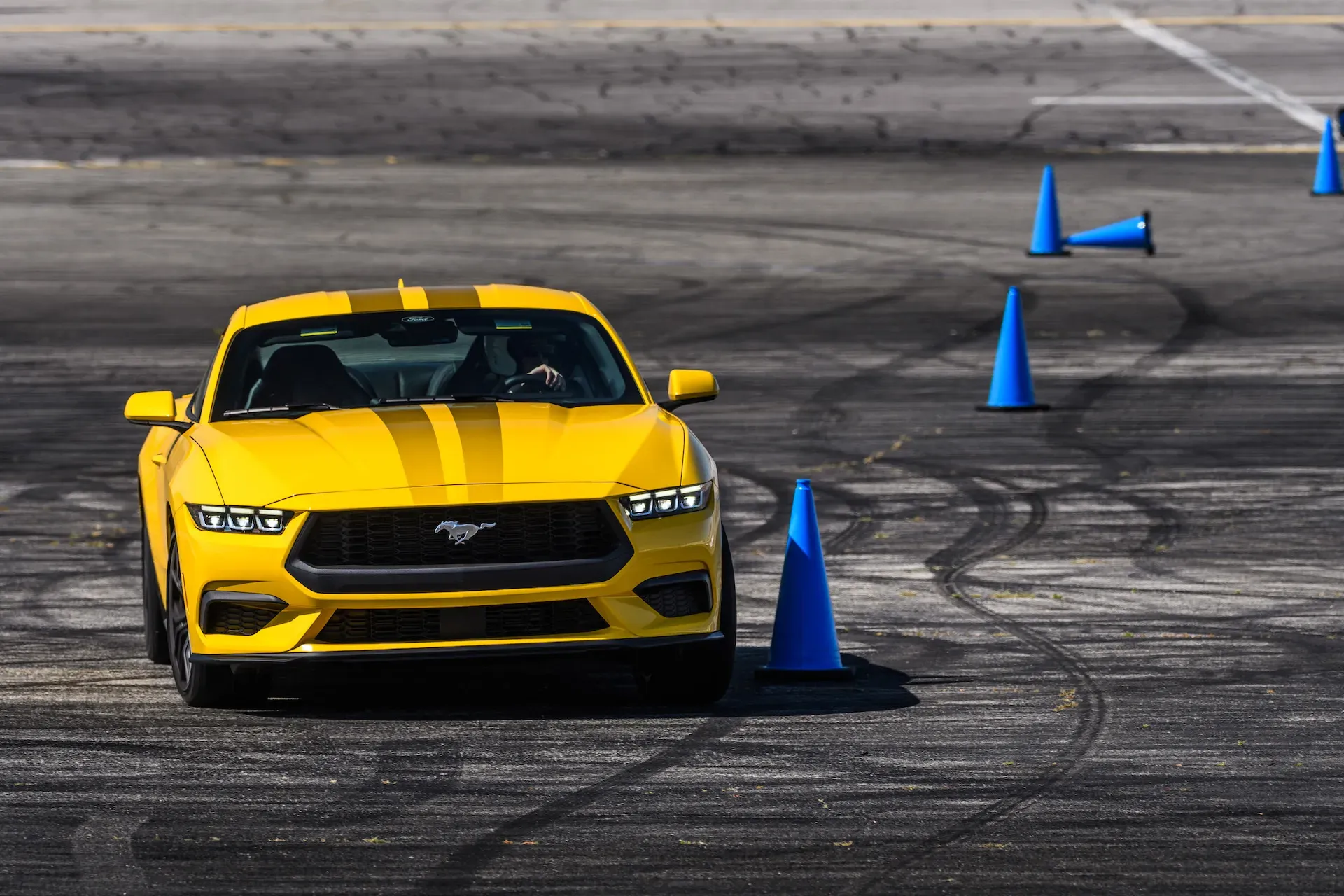
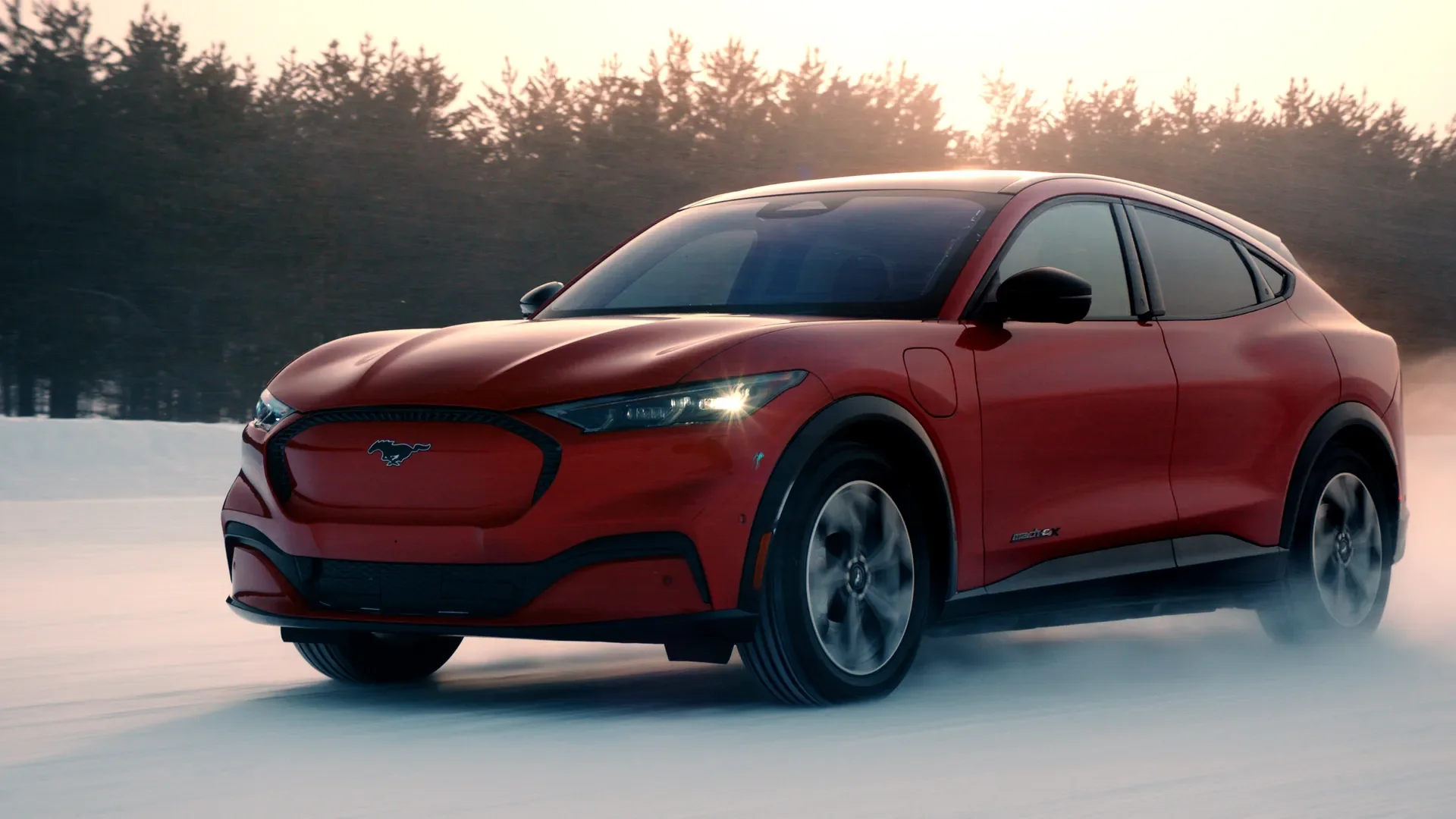
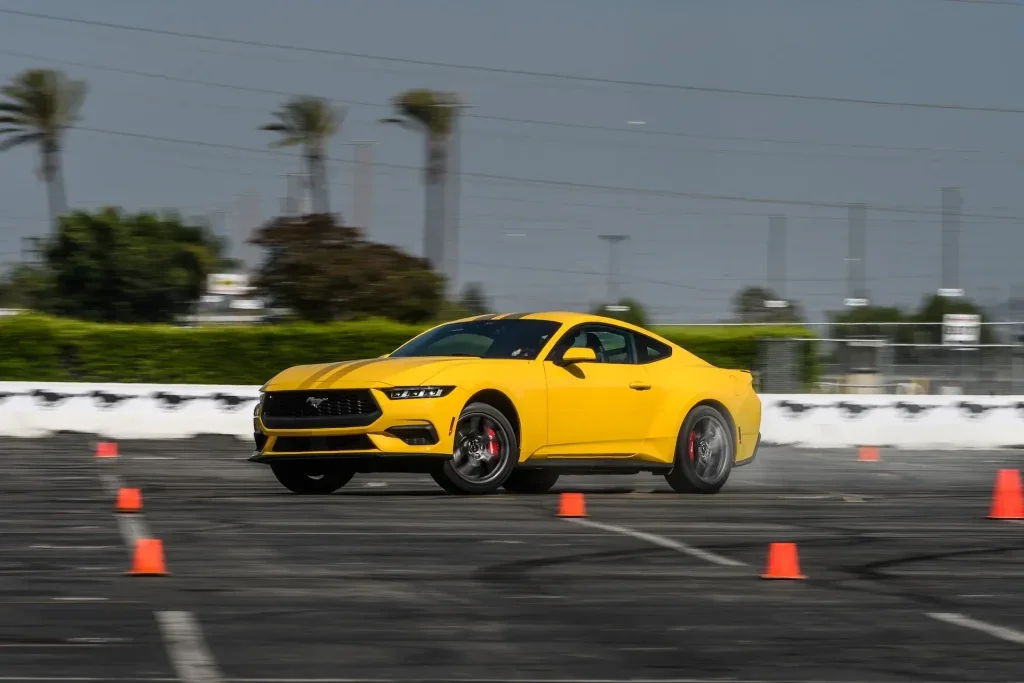 The 2024 Mustang EcoBoost features a 2.3-liter EcoBoost Twin-Scroll Turbocharged Inline-4 Cylinder that produces 315 horsepower and 350 lb-ft of torque mated to an 8-speed automatic transmission that will fire off shifts faster than you can say “Weee”. EPA estimated fuel mileage is 22 city mpg and 33 highway mpg, respectively. The EcoBoost is here to stay and has proven to be just as much of a Mustang as the GT model.
When talking about the power and sound from the all-new EcoBoost Mustang, MotorTrend said, “In this modern era of easy speed, you'll never mistake the revised EcoBoost for being fast, but it'll likely embarrass most V-8-powered Mustangs built prior to 2010. The fourth-gen EcoBoost mill makes more power earlier in the rev range than the EcoBoost it replaces, staying on the boil for longer. Equipped with the optional active exhaust system, the new 2024 Ford Mustang EcoBoost even sounds pretty good, replacing the previous car's hot hatch soundtrack with a low, throaty rumble.”
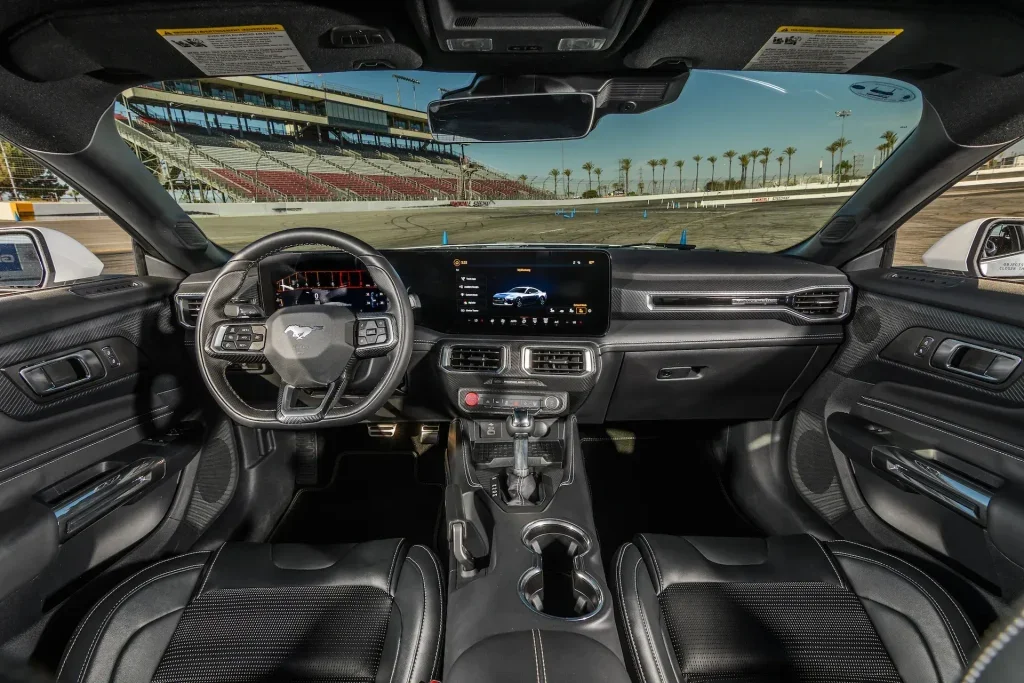 Inside, the new EcoBoost arrives with a standard 12.4-inch digital instrument cluster and 13.2-inch infotainment touchscreen. The digital instrument cluster can be customized to show different themes, such as Normal, Sport, Track, Fox Body, and Calm. Yes, you read that right: you can make your digital gauge cluster look just like the analog gauges out of a 1987-1993 Fox Body Mustang. Leather Recaro racing buckets are optional with the also optional Performance Package.
One of the main options that journalists are loving is the new Drift Brake. With the optional Drift Brake, your physical parking brake, by way of a button, can be turned into a drift actuator, essentially.
Autoblog dedicated an entire article to the Drift Brake saying, “Step one: Gun it. Step two: Yank up on the handbrake and crank the wheel with your left hand from 2 o’clock down to 7. Step three: Feel the car whip around, bring handbrake down, gun it again. Congratulations, you are drifting in the 2024 Ford Mustang thanks to its new, unique-to-a-production-car electronic drift brake. It couldn’t be easier. You can also do some pretty sick Ace Ventura parking jobs.”
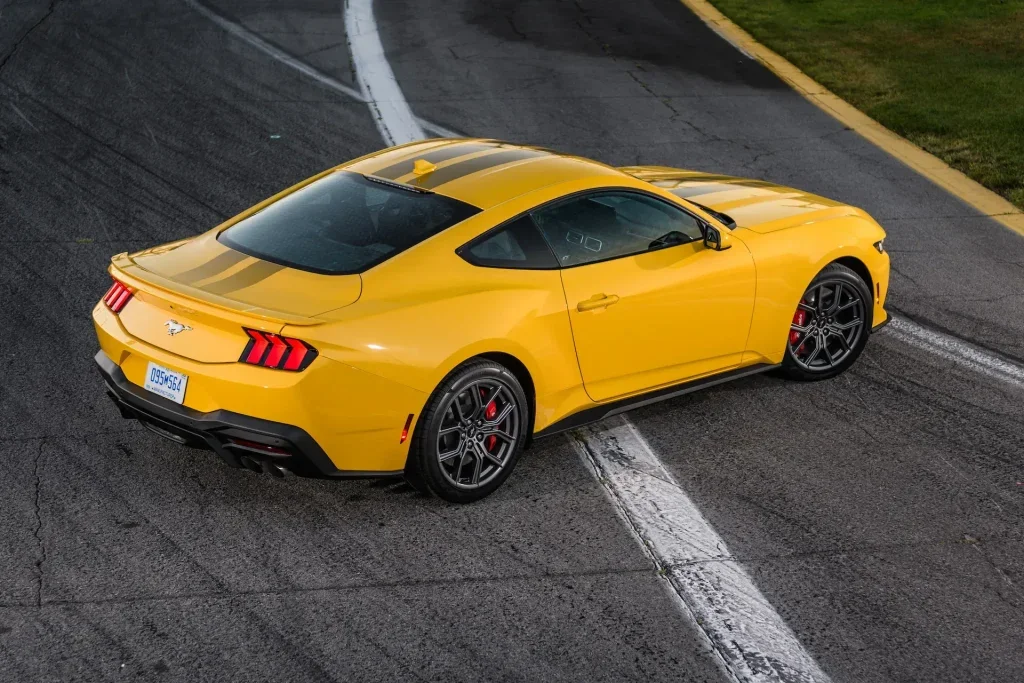 If you are interested in the all-new 2024 Ford Mustang, Benna Ford is happy to assist you in answering any questions or helping you order one for yourself. Our talented sales team will work to ensure your satisfaction with the purchase of a new or used vehicle. Our fantastic service department will make sure that your vehicle stays in the absolute best condition possible. We look forward to serving you.